Archive
Russia: African Swine Fever Marches Across Country, Forces Farm to Kill All 30,736 of its Pigs
 “Russia has been dealing with African swine fever (ASF) in its swine herd since 2007 and the virus keeps marching across the country. This has prompted serious concerns about the prospect of the virus spreading into other Eastern European countries.
Now, a southern Russian farm had to slaughter all 30,736 of its pigs because of ASF, reports Bloomberg News. The pigs belonged to the Plemzavod Industrialny farm, located in the southern Russian Krasnodar region.
These hogs generally went to supply pork to local markets in the region, according to Alexei Alekseenko, a spokesman for Rosselkhoznadzor, Russia’s food-safety agency.
This marks the country’s largest outbreak of the virus, and consequent culling. The animal carcasses are typically burned and buried.
ASF was reported in a major agricultural breeding plant located a few kilometers out of Timashevsk city earlier this week. In that complex 98 pigs deaths had been registered.
According to the region’s veterinary services officials, pig deaths also were registered in several nearby private farms, and there is suspicion that the animals also died from ASF.” Read more.
Australia: Researcher Baffled as 53 Dead Seals Wash Ashore Along Southern Australian Beaches
 “More than 50 New Zealand fur seals have washed up dead on South Australia’s Eyre Peninsula and will be examined at Adelaide University to determine how they died.
The Department of Environment and Natural Resources said the bodies of 51 juveniles and two young adults were found near Port Lincoln and at Wanna Beach in the Lincoln National Park.
Dr Lucy Woolford from Adelaide University says three seals have been collected for post-mortem examinations, which will be conducted on Tuesday morning.
‘These seals appear to have died a few days ago, so they’re in a state of decomposition so we’re trying to see how much information we can gain from those,’ she said.
‘[We have found] no immediate signs of injury from the seals we’ve looked at so far.’
The South Australian Museum’s mammal researcher, zoologist Dr Catherine Kemper, says she has never heard of so many deaths in one instance before.” Read more.
Bird Flu Outbreak Decimates Ostrich Farms in South Africa
 By Pumza Fihlani – “South Africa’s ostrich farmers are struggling to cope after thousands of their birds were culled during one of the country’s worst outbreaks of bird flu.
Exports to Europe – the biggest market for South Africa’s ostrich meat – have crashed since the EU banned the import of the low-cholesterol meat to stop the virus spreading.
Some farmers have been able to salvage their business through exporting ostrich feathers to South America – they are used in the colourful Rio Carnival.
Oudtshoorn, a town about 450km (279 miles) from Cape Town, is the heartland of the country’s ostrich industry.
Highgate Ostrich Show Farm is empty, apart from a few workers cleaning the yard there is no-one else in sight.
This is uncharacteristic of the popular tourist farm which is always abuzz with activity.
Hundreds of local and international visitors would normally be queuing to ride trained ostriches, buy luxury ostrich products such as leather and feathers or simply to spend time feeding the birds.
But for the first time in its 80 years, there are no ostriches for visitors to see – they have all been culled.
‘When the virus was discovered on our farm a few months ago the authorities came and took away all our birds,’ Arenhold Hooper tells me.
His ostriches were among 40,000 ostriches killed in the area, believed to either have the virus or have come into contact with infected birds.
All the meat was thrown away.” Read more.
Indonesia Goes on Alert After Bird Flu Kills Man, Bird Death Epidemic Spreads in India
 By Femi Adi – “JAKARTA, Indonesia — Indonesia confirmed yesterday that a bird-flu virus killed a 23-year-old pigeon fancier Saturday in Jakarta, prompting the government to step up preventive measures at hospitals.
Three hospitals dedicated to handling the H5N1 strain of avian influenza in the city of 9.6 m illion people were ordered to provide stand-by rooms for suspected patients, Dien Emmawati, head of Jakarta’s Health Agency, said by phone yesterday. More ambulances for bird-flu patients will also be added, she said.
The virus has killed more than 80 percent of people infected in the country since it was first reported in 2005, health-ministry data show. The strain was first recorded in humans in Hong Kong in 1997 and has since spread through Asia, Europe and Africa, resulting in the deaths of tens of millions of birds and raising concerns of a global outbreak.
‘I hope people realize the danger of bird flu is still lurking in Jakarta,’ Emmawati said.
Avian flu has the potential to cause a deadly pandemic, the Centers for Disease Control and Prevention says. Since 2003, more than 500 people have been infected with the H5N1 strain worldwide and about 60 percent have died, according to the Atlanta-based agency.” Read more.
India: Death of many crows and ducks create panic in Jajpur – “The mysterious epidemic that has claimed many crows and hens in some areas of Odisha recently has now spread to Jajpur district , with about 150 crow and ducks deaths in Jajpur Road over last two days , triggering panic among residents who have been advised by experts not to touch the carcasses. ‘Recently many crows have died due to the deadly bird flu disease or H5N1 virus in areas of Jharkhand, bordering Odisha for which we are taking proper steps after crows started dying in Jajpur Road’, said Dr Kailash Chandra Mohanty the chief district veterinary officer (CDVO) of Jajpur on Thursday.” Read more.
Bird Flu back in Bhutan – “The World Organization for Animal Health (OIE) has confirmed that H5N1, the highly pathogenic avian influenza virus, has been signalled the Bhutanese village of Tsimasham, in the Chhukha district. The outbreak was first noticed on the 30th of December, when 87 chickens succumbed at backyard poultry farm near a national highway. On the 5th and 6th of January the authorities started culling birds from the stricken and neighbouring farms, after the Bhutan national laboratory of animal health confirmed the outbreak.” Read more.
China: Large Number of Dead Fish Found Along 2-Mile Stretch of Xijiang River in Southern Guangdong Province
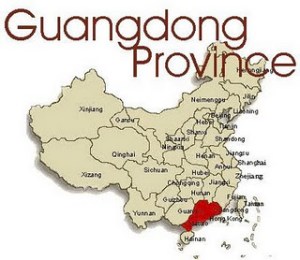 “A large number of fish were found dead Monday in a major river in the southern province of Guangdong, local authorities confirmed Tuesday.
Floating fish were reported in a three-kilometer section of the Xijiang River in the Jiangmen City on Monday morning, but the situation improved Tuesday with no more dead fish found, said Zhao Yanqiang, spokesman for the city’s publicity department.
An initial probe has ruled out a lack of oxygen or low water temperatures as the cause of the death.
Local authorities initiated an emergency response Monday for disposal of the dead fish, Zhao said.
A further investigation by local environmental and fishery authorities is under way.
Xijiang River is a major tributary of the Pearl River, the third longest river in China and a pivotal waterway that runs across the economic heartland of Guangdong.” Source – BusinessGhana.com.
The Bahamas: Environmental Officials Baffled as Hundreds of Dead Fish and Other Marine Life Litter Montagu Shoreline, Seafloor
 By Travis Cartwright-Carroll – “Hundreds of dead fish and other marine life washed up at Montagu Foreshore yesterday, baffling fishermen and environmental officials alike.
The young fish littered the shoreline. There were varying species, including snappers, barracudas, minnows, needlefish, puffer fish and even an octopus.
Spokesperson for the Montagu Vendors Association Sherlin Brown said he just wanted to know what was going on.
‘I’ve never seen this before,’ Brown said. ‘It isn’t normal for you to pick up dead fish all along the bay here.’
‘We know we had other situations with the water. We have customers coming here, people using the water… so we need to know what [is] causing the fish to die and if it’s a danger to the humans because a lot of fish are dying.’
Brown said while vendors do not fish near Montagu Beach, if the situation persists it would create a serious problem for them.
While a number of fish swam to or washed up onshore, Brown said the seabed was also littered with dead fish.” Read more.
Australia: Locals Refuse to Swim in ‘Putrid’ Bayside Beaches After Dead Fish Found Near Shore
 By Marnie Reid – “LOCALS are refusing to swim in murky Bayside beaches because of dead fish floating near the shore.
Dendy Iceberger John Fisher said the water was ‘oily, dirty, smelly and had dead fish in it’.
He and other Icebergers have stopped swimming at Bayside beaches because the water is ‘too putrid’.
‘It smells, it’s got an oily feel to it and you can’t see the end of your fingers when they are in the water,’ Mr Fisher said.
‘The dead fish was just the icing that capped it all off.’
Mr Fisher said dead fish had been spotted at Dendy St beach, Brighton Beach and Half Moon Bay.
The Brighton resident said it was very worrying and he did not believe it was safe to swim there. ‘I want an explanation of why the water is as bad as it is,’ Mr Fisher said.
‘It’s never been this bad before and I want them to make sure it doesn’t happen again.’
Environment Protection Authority Victoria spokesman Simon Frost said the EPA had received reports of dead fish over the New Year’s Eve weekend.” Read more.
India: ‘Unnatural Deaths’ of 2,000 Chickens Sets Off Bird Flu Fears in Meghalaya
 “Around 2,000 poultry birds have died in the past few weeks on a farm in Meghalaya’s East Garo Hills district, fuelling fears of bird flu, even as a general alert was sounded in the area, officials said on Monday.
A government official said 2,000 chickens died an unnatural death in a government-run poultry farm at Williamnagar, the district headquarter of East Garo Hills, about 312 km west of Meghalaya’s state capital Shillong.
‘We have sent samples for laboratory tests to Bhopal-based High Security Animal Disease Laboratory for confirmation. We don’t know for sure if the poultry deaths were due to bird flu,’ Praveen Bakshi, the district magistrate, told the media.
Initially, he said the government has sent samples to a Guwahati-based Laboratory, but it did not yield any results.
‘The district administration has taken all precautionary measures and rapid response team has been geared up to take action in case the laboratory confirms bird flu,’ Bakshi said.
He said a seven kilometre radius of the area where the birds died has been kept under surveillance.
Meanwhile, the district administration and health and family welfare and veterinary officials are scheduled to meet on Tuesday to discuss on the unnatural deaths of birds at the farm.” Source – The Asian Age.
Florida: FWC Investigates Dozens of Keystone Heights Turtle Deaths
 By Karen Voyles – “The Florida Fish and Wildlife Conservation Commission is trying to figure out what killed dozens of turtles in the Keystone Heights recently.
Commission spokeswoman Karen Parker said a resident in the Smith Lake area noticed the dead turtles and reported them over the weekend.
The turtles – many found at the end of Pinon Road – did not appear to have any signs they died of a traumatic death, Parker said.
‘It was possibly a cold stress event,’ Parker said, ‘but it is too early in the investigation to say for certain.’
State research biologists will be working to determine the cause of death, a process that could take weeks.” Source – Gainesville.com.
Zimbabwe: Over 165 Animals Die in Lower Zambezi Valley After Anthrax Outbreak Hits Mana Pools National Park
 By Peter Matambanadzo – “Mana Pools — MORE than 165 animals in Mana Pools National Park in the lower Zambezi Valley have died due to an anthrax outbreak over the past few weeks.
Parks and Wildlife Management Authority public relations manager Ms Caroline Washaya-Moyo confirmed the death of elephants, hippos, buffaloes and kudus.
The most affected are Chikwenya and Sapi areas, which are located on the shoreline as well as islands near Mana Pools.
‘Our Chinhoyi office has since confirmed the anthrax outbreak following the death of the animals in Mana Pools.
‘The Authority engaged the Vet Offices who later collected samples from hippos for lab testing. The lab test confirmed that 88 hippopotamus died of anthrax,’ said Ms Washaya-Moyo.
The cause of the death of 45 Buffaloes, 30 elephants and two Kudus, she said, was yet to be established but starvation or anthrax was suspected. Ms Washaya-Moyo said the situation was under control.
A veterinary officer in the Department of Veterinary Services (Wildlife), Dr Chris Foggin also confirmed the outbreak.
‘A number of animals have died, but we have visited the area and we sealed it off and we are burning the carcasses to prevent any further spread, an action well considered now that the lab reports confirmed anthrax as the culprit,’ said Dr Foggin.” Source – AllAfrica.com.
South Korea: Dozens of Ducks Found Dead on Farm in Icheon, Cause of Death Remains Unknown
 “SEOUL, Jan. 7 (Yonhap) — South Korea’s farm ministry said Saturday that bird flu did not cause the spike in dead ducks at a local poultry farm earlier in the week.
‘Detailed tests using hemagglutinin showed no traces of the virulent H5N1 avian influenza virus,’ it said.
The farm in Icheon some 80 kilometers east of Seoul reported 110 dead birds from Sunday through Tuesday, causing local quarantine authorities to seal off the immediate area and prevent movement of all birds.
Vehicle and human traffic were also subject to decontamination to prevent the spread of the disease.
The agriculture ministry said it has lifted all restrictions imposed for the past few days and withdrawn its quarantine team.
The latest false alarm comes as Seoul has been carefully monitoring its poultry farms for signs of another bird flu outbreak. The country reported containing an outbreak in April of last year after the birds started dying off en masse in late December 2010. This forced the government to cull more than 6.27 million birds across the country.
Prior to the 2010-2011 outbreak, South Korea was hit by avian influenza three times, with the last case occurring in April 2008 and resulting in the culling of 3.45 million birds. Other outbreaks took place in the winter months of 2003-2004 and 2006-2007.” Source – Yonhap News Agency.
Montana: Devastating Disease Kills 90% of Whitetail Deer Along 100-Mile Stretch of the Milk River
 By MATTHEW BROWN – “BILLINGS, Mont. (AP) — White-tailed deer populations in parts of eastern Montana and elsewhere in the Northern Plains could take years to recover from a devastating disease that killed thousands of the animals in recent months, wildlife officials and hunting outfitters said.
In northeast Montana, officials said 90 percent or more of whitetail have been killed along a 100-mile stretch of the Milk River from Malta to east of Glasgow. Whitetail deaths also have been reported along the Missouri and Yellowstone rivers in western North Dakota and eastern Montana and scattered sites in Wyoming, South Dakota and eastern Kansas.
The deaths are being attributed to an outbreak of epizootic hemorrhagic disease, or EHD. Transmitted by biting midges, EHD causes internal bleeding that can kill infected animals within just a few days.
‘I’ve been here 21 years and it was worse than any of us here have seen,’ said Pat Gunderson, the Glasgow-based regional supervisor for Montana Fish, Wildlife and Parks. ‘Right now it’s going to take a few years to get things back to even a moderate population.’
In North Dakota, state wildlife chief Randy Kreil described the outbreak as the most extensive and deadly in two decades.
Mule deer, bighorn sheep, elk and pronghorn also are susceptible to EHD, but it is particularly damaging to whitetail herds, animal health experts said. Livestock can be infected but typically show few symptoms.
Researchers say the virus that causes EHD does not infect people and there is no risk of eating or handling infected deer,
More precise estimates of the number of whitetail killed are expected after agencies conduct winter population counts and survey fall hunter success.” Read more.
 Israel National News
- Arab dressed as haredi arrested for theft
- By The Numbers: Who are the IDF's reservists?
- IDF eliminates Basij Force soldier in western Iran
- History made in Samaria: IEC connects Homesh to electric grid
- End of Days
- A dependent existence
- What is the strength of the people of Israel?
- Haredi who incited against security forces is arrested
- The challenge of Islamism
- Ben-Gvir: Central Command chief is behaving like a bull in a china shop
FrontPage Magazine
- 6 Squad Members, Including 2 Muslims, Lose in Illinois Dem Primaries
- Can Visa Bonds End Tourism Mass Migration?
- Joe Kent and Too Many Ex-CIAers in Politics
- Joe Kent Quit Because Iran ‘Posed No Imminent Threat to Our Nation’
- Mamdani Proposes ‘White Homes’ Estate Tax
- It’s Not Racist to be a “Culturist”
- The Feminists Who Hate MAGA More than They Hate the Mullahs
- Islam’s Classroom Takeover in Philly
- Jamie Glazov on The Shaun Thompson Show: United in Hate
- Establishing a Theocratic Totalitarian Rogue State
Gatestone Institute
- US Direct Talks with Hamas: Legitimizing and Empowering Terrorists
- Why Iran Was Always a Threat to the US
- Iran Picked a Fight with the Wrong President
- Iran's 'Doomsday Clock' Against Israel No Longer Ticking But Guess Who Is Waiting in the Wings
- Why Applying the 'Venezuela Method' to Iran Would Be a Terrible Mistake
- Hamas Crimes No One Talks About
- Trump's Iran War Ending Xi Jinping's 'China Dream'
- Iran Gets a New Supreme Guide
- 'Trump Derangement Syndrome': The Danger of Hatred Clouding Perception
- Spain's Pedro Sánchez and His Extremist Problem
Middle East – The Jerusalem Post
- Fanning flames of war, Iran appears to activate Gulf terror cells as conflict expands - analysis
- Iran hangs three, including national wrestling champion, in connection with January protests
- Iran revives ‘Zionist sorcery’ claims in propaganda against Israel
- Iran nears three weeks offline as regime braces for renewed demonstrations
- Iran attacks pushing Gulf's Arab states toward unity, possible action against Tehran - analysis
- Mossad slams regime's use of mosques as military posts, allegedly threatens Iranian commanders
- Iran considers transit fees for ships passing through strategic Strait of Hormuz
- IAF destroys IRGC helicopter at airport, targets Basij operatives in western Iran
- Iran escalates attacks on Gulf states, targeting key oil and gas facilities
- Iran demands compensation from UAE over alleged role in US strikes
Earthquakes & Volcanic Activity
- Reventador Volcano Volcanic Ash Advisory: CONS VA EMS to 15000 ft (4600 m)
- World Earthquake Report for Thursday, 19 March 2026
- Volcanoes Today, 19 Mar 2026: Fuego volcano, Popocatépetl, Merapi, Semeru, Shiveluch, Ibu, Dukono, Marapi
- Mayon Volcano Volcanic Ash Advisory: ERUPTION AT 20260319/0954Z FL110 EXTD SW REPORTED OBS VA DTG: 19/1020Z
- Lewotobi Volcano Volcanic Ash Advisory: VA TO FL090 REPORTED FM GND AT 19/0636Z MOV NNE to 9000 ft (2700 m)
- Piton de la Fournaise volcano (La Réunion): lava flow front continues to occupy shoreline by building new lava delta
- Aoba Volcano Volcanic Ash Advisory: ERUPTION AT 20260319/0500Z CONTINUOUS VA EMISSIONS to 15000 ft (4600 m)
- Fuego Volcano Volcanic Ash Advisory: VA EMS OBS IN WEBCAM
- Dukono Volcano (Indonesia) activity update Mar 18, 2026 - Continuing eruption
- Fuego Volcano (Guatemala) activity update Mar 18, 2026 - Continuing eruption
Islamic Terrorist Network In America

Click For Larger Version


Click To Learn What Makes This An Idol

 MidnightWatcher - Prophecy in Motion
Recent Comments